
Separate the project stages
A project’s average crew size can hide a busy overlap between trades. Describe the sequence of work so the restroom arrangement can be assessed for the people present at each stage.
List the trades working together, shift hours and any planned overlap rather than supplying only the final project duration. Identify permanent bathrooms workers may use and the periods when construction makes them unavailable.
Discuss standard cabins, washing and suitable accessible equipment for that sequence. Ask what change in use should trigger a review of quantity or care instead of assuming the opening arrangement will fit the entire project.
Reserve space through the next phase
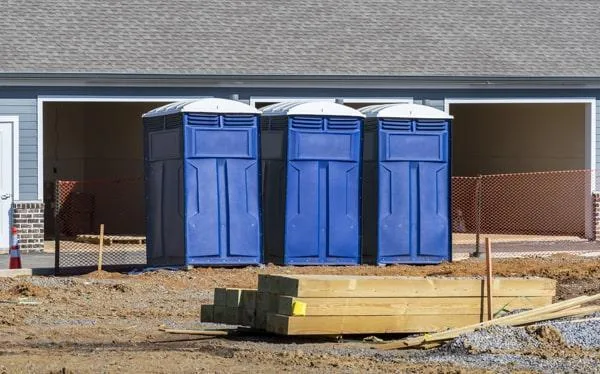
Show where material deliveries, machinery and temporary buildings will go. Agree a toilet position and provider route that remain workable as the work advances.
Give the provider the actual approach, surface conditions and restrictions for assessment. If the next stage will consume that area, plan a reviewed relocation before workers lose access to the facilities.
Review care when the crew changes
Assign a site contact to monitor supplies and report changes in occupancy. Agree cleaning, tank service and washing-water duties, including how the provider will enter during working hours.
Request the phased dates, equipment, care, transport and final collection in the quote. Confirm extensions and reductions explicitly; a revised construction programme does not automatically amend the rental.
Questions before you book
Should I quote the largest crew or the average crew?
Explain both the peak and when it occurs, plus shift overlap and available bathrooms, so the arrangement can be assessed.
What if the next project phase uses the toilet area?
Arrange a provider and site-controller review of another position and service route before the existing position is lost.