
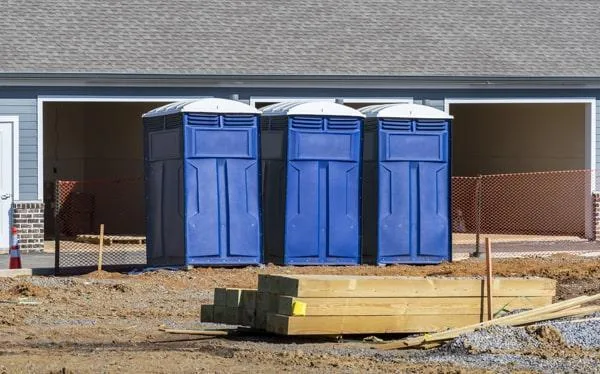
Mark the space that must stay available
A cabin can remain in its agreed location while pallets, skips or parked vehicles make it difficult to use. Treat the surrounding space as part of the site facilities arrangement.
Show the door opening, worker approach and provider’s agreed servicing position on the site sketch. Include washing equipment and the route needed by people using accessible facilities.
Have the site controller and provider review the surface and arrival route. A gap large enough for a cabin does not establish that delivery, care or removal can be performed there.
Keep everyday site changes visible
Tell the person controlling deliveries which areas must remain clear. Check the facilities after new materials, fencing or site accommodation arrive, especially when the normal walking route changes.
If an obstruction cannot be removed, contact the responsible site manager and provider. Do not move a filled cabin or direct a vehicle across unassessed ground to compensate for a blocked position.
Include the last working team
Confirm how supplies, cleaning, tanks and washing water will be managed until work finishes. Name someone who can provide access even after the main contractor’s office leaves.
Ask the quote to cover the actual equipment, dates, service visits, delivery and collection. Keep the route clear until collection has occurred, rather than using the empty-looking approach for final storage.
Questions before you book
Is it enough to protect the cabin’s footprint?
Also protect the door space, user route and the agreed provider approach for care and collection.
Who should resolve an obstructed position?
The site contact with authority over storage or traffic should coordinate with the provider before changing the equipment arrangement.